
Custom Flexible Heater Manufacturing Solutions
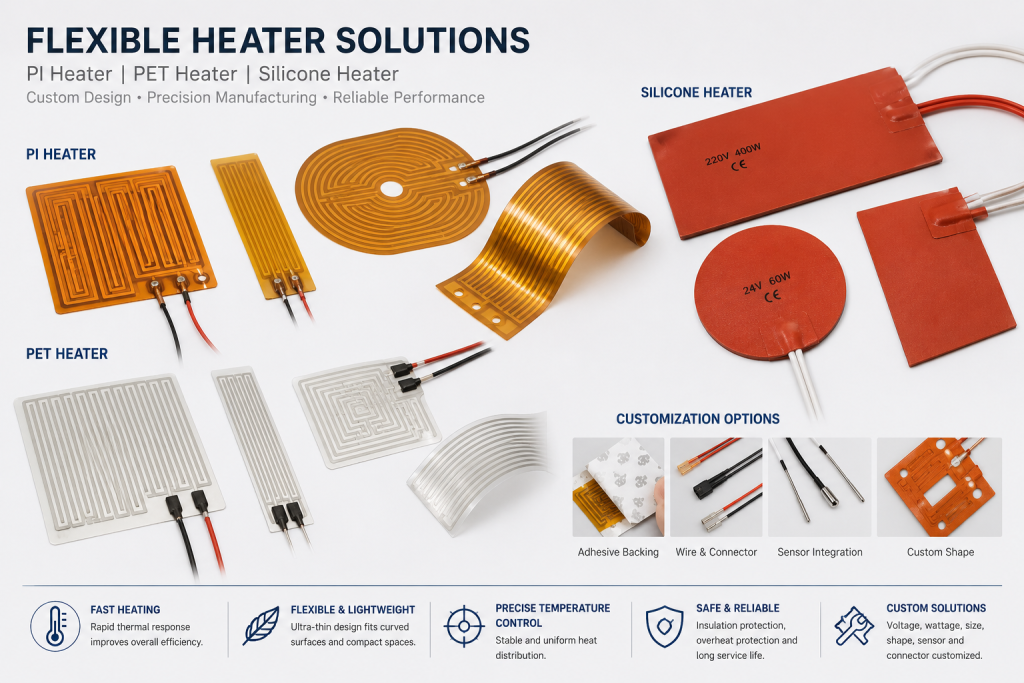
Professional manufacturer of PI heaters, PET heaters, silicone rubber heaters, and graphene heating elements for industrial, automotive, battery heating, medical, aerospace, and electronic applications.
Engineering-Focused Flexible Heater Manufacturing Since 2014
We specialize in the engineering, manufacturing, and customization of flexible heating solutions including PI heaters, PET heaters, silicone rubber heaters, and graphene heating elements for a wide range of industrial and electronic applications.
Our manufacturing capabilities support custom voltage, watt density, thermal control systems, adhesive integration, insulation structures, sensor assemblies, and connector customization according to customer requirements.
Unlike standard catalog heater suppliers, we focus on engineering-oriented custom manufacturing solutions designed for demanding thermal management environments where space limitations, temperature uniformity, flexibility, lightweight construction, and long-term reliability are critical.
Our flexible heating products are widely used in:
- Battery heating systems
- Automotive electronics
- Aerospace equipment
- Medical devices
- Semiconductor equipment
- Laboratory instruments
- Display systems
- Anti-condensation systems
- 3D printing systems
- Industrial control equipment
What Is a Flexible Heater?
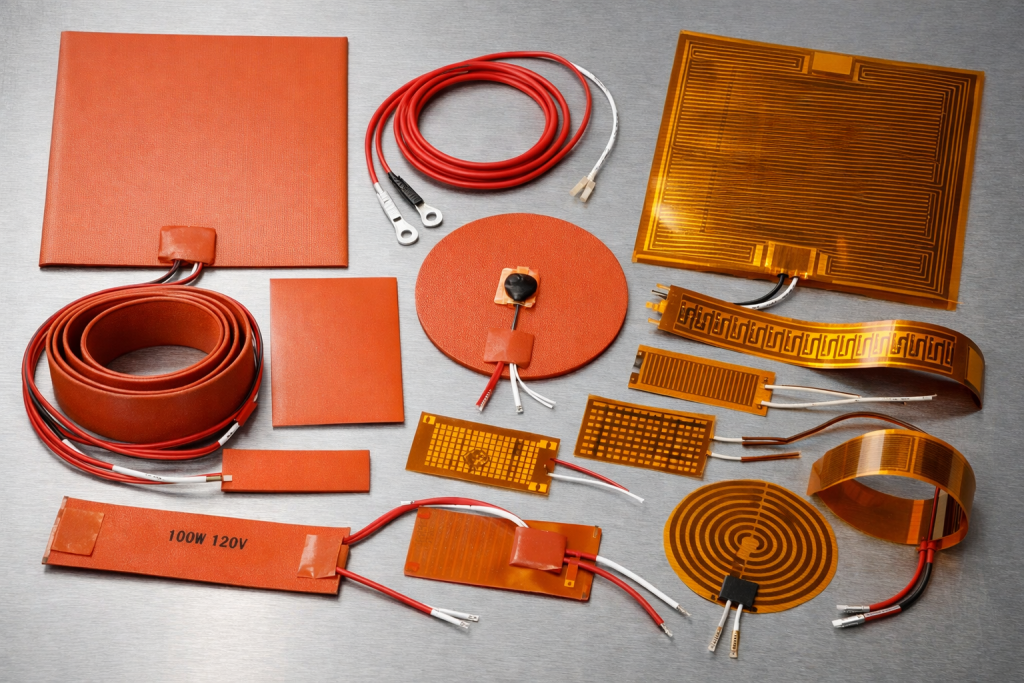
Flexible heaters are thin, lightweight heating elements designed to provide controlled thermal output while maintaining mechanical flexibility and compact installation capability.
Compared with conventional rigid heating systems, flexible heaters can conform to curved surfaces, compact assemblies, and lightweight structures while delivering rapid thermal response and uniform heat distribution.
Different flexible heater technologies are optimized for different applications depending on thermal requirements, environmental conditions, installation constraints, voltage requirements, and mechanical durability.
Common flexible heater technologies include:
| Heater Type | Typical Advantages | Typical Applications |
|---|---|---|
| PI Heater | Ultra-thin, lightweight | Electronics, aerospace |
| PET Heater | Cost-effective | Consumer electronics |
| Silicone Heater | High durability | Industrial equipment |
| Graphene Heater | Fast thermal response | Wearable devices |
Polyimide (PI) Heater Solutions
Ultra-Thin Heating Technology for Precision Applications
PI heaters, also known as polyimide heaters or Kapton heaters, are flexible thin-film heating elements manufactured using polyimide insulation materials combined with etched foil or wire heating circuits.
Because polyimide film provides excellent thermal resistance, dielectric strength, and mechanical flexibility, PI heaters are widely used in applications requiring compact thermal management and lightweight structures.
Typical Technical Specifications
| Parameter | Typical Range |
|---|---|
| Thickness | 0.15 – 0.40 mm |
| Voltage Range | 3V – 480V |
| Max Operating Temperature | Up to 200°C |
| Watt Density | 0.1 – 2.5 W/cm² |
| Insulation Resistance | ≥100 MΩ |
| Flexibility | Excellent |
Engineering Advantages of PI Heaters
Ultra-Thin Structure
Compared with silicone rubber heaters, PI heaters can achieve extremely compact structures suitable for limited installation spaces.
Rapid Thermal Response
The low thermal mass of PI heaters allows faster heat-up and cooling performance.
Excellent Chemical Resistance
Polyimide film materials provide strong resistance against oils, solvents, and industrial chemicals.
Lightweight Construction
PI heaters are widely used in aerospace and portable electronic systems where weight reduction is important.
Custom Design Flexibility
Custom heater shapes, cutouts, holes, connectors, thermistors, and adhesive structures can be integrated into the heater assembly.
PET Heater Solutions
Cost-Effective Flexible Heating Technology
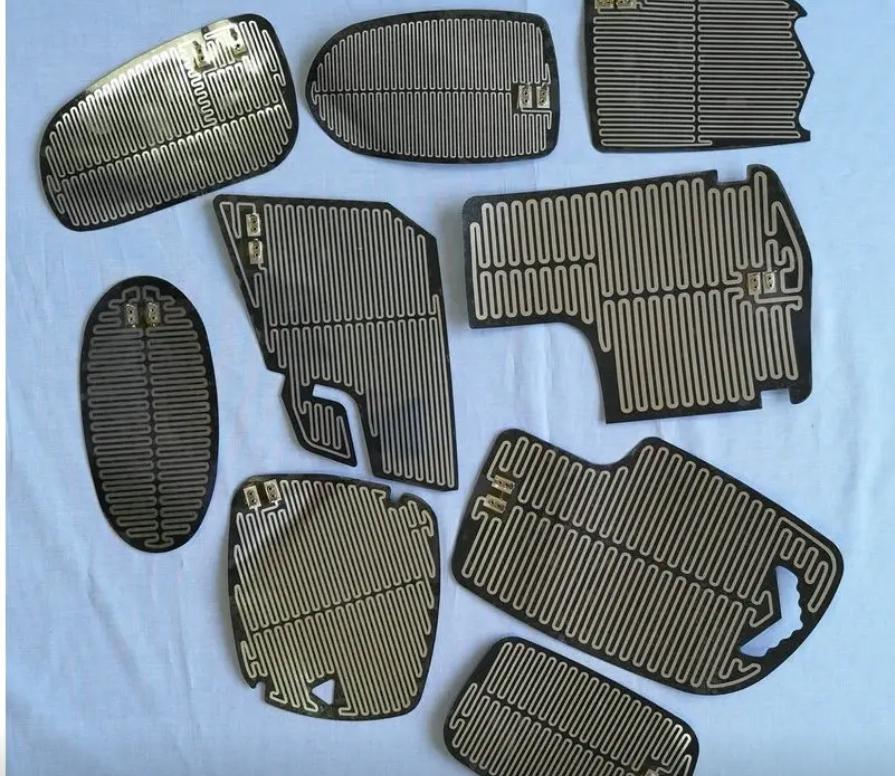
PET heaters are flexible heating elements manufactured using polyester film materials combined with printed conductive heating circuits.
Compared with PI heaters, PET heaters are generally more cost-effective and suitable for low-to-medium temperature applications where ultra-high thermal resistance is not required.
PET heaters are widely used in consumer electronics, display systems, smart home devices, and low-power heating applications.
Typical Technical Specifications
| Parameter | Typical Range |
|---|---|
| Thickness | 0.20 – 0.50 mm |
| Voltage Range | 5V – 240V |
| Max Operating Temperature | 80°C – 120°C |
| Flexibility | Good |
| Cost Efficiency | High |
Typical PET Heater Applications
- LCD display heating
- Smart mirror anti-fog systems
- Battery warming
- Consumer electronics
- Automotive mirror heating
- Portable devices
Silicone Rubber Heater Solutions
Durable Heating Solutions for Industrial Applications
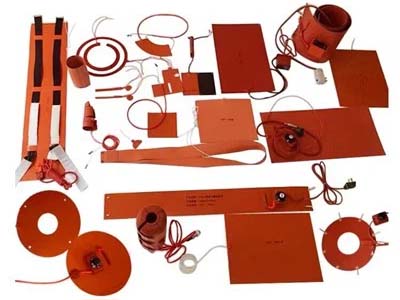
Silicone rubber heaters are designed for applications requiring mechanical durability, moisture resistance, and higher operating temperatures.
Compared with thin-film PI heaters, silicone heaters provide better mechanical protection and are suitable for industrial equipment, outdoor systems, and heavy-duty heating environments.
Typical Technical Specifications
| Parameter | Typical Range |
|---|---|
| Thickness | 1.0 – 3.0 mm |
| Operating Temperature | Up to 250°C |
| Voltage Range | 12V – 480V |
| Mechanical Durability | Excellent |
| Moisture Resistance | Excellent |
Typical Silicone Heater Applications
- Industrial equipment
- Oil tank heating
- Battery heating systems
- Outdoor equipment
- Medical devices
- Food processing equipment
Graphene Heater Solutions
Advanced Heating Technology with Fast Thermal Response
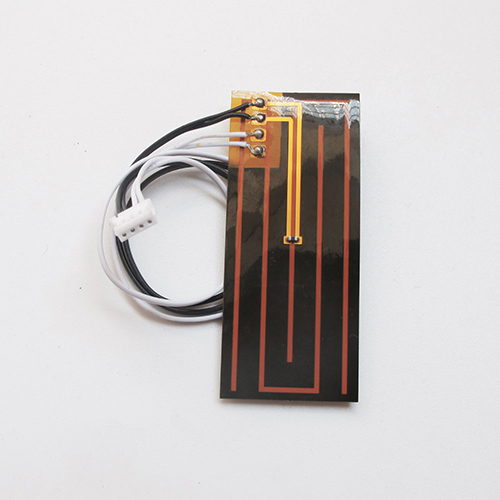
Graphene heaters utilize graphene conductive materials to achieve highly efficient thermal conductivity and rapid heating performance.
Compared with traditional resistance wire heating technologies, graphene heaters offer improved thermal efficiency, lightweight structures, and lower power consumption in certain applications.
Graphene heating technology is increasingly used in wearable devices, smart textiles, consumer electronics, and advanced thermal management systems.
Typical Engineering Advantages
- Fast heat-up performance
- Uniform heat distribution
- Lightweight structure
- Flexible design capability
- Energy-efficient thermal performance
Flexible Heater Manufacturing Capabilities
Custom Manufacturing Support:We provide custom flexible heater manufacturing support according to customer drawings, technical requirements, and application environments.
Available Customization Options
- Custom voltage
- Watt density optimization
- Heater shape customization
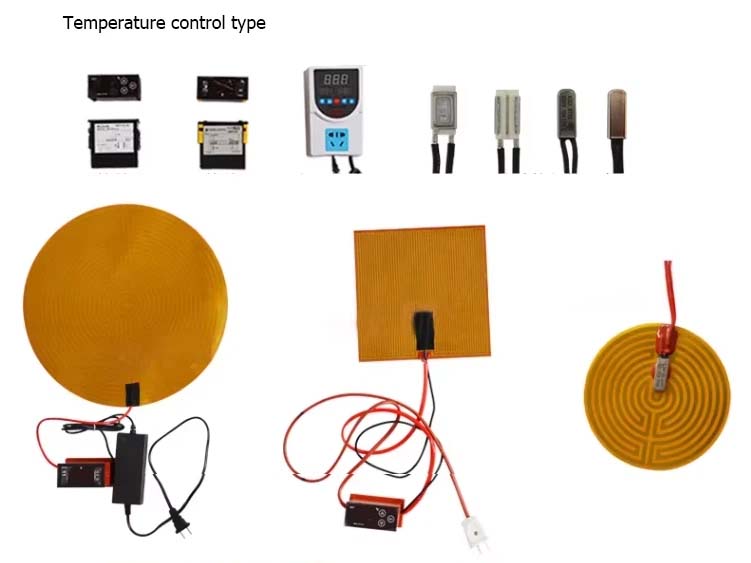
- Thermistor integration
- Thermal fuse integration
- Connector assembly
- Adhesive backing
- Multi-zone heating
- Insulation structures
- Prototype development
- Mass production manufacturing
Quality Assurance
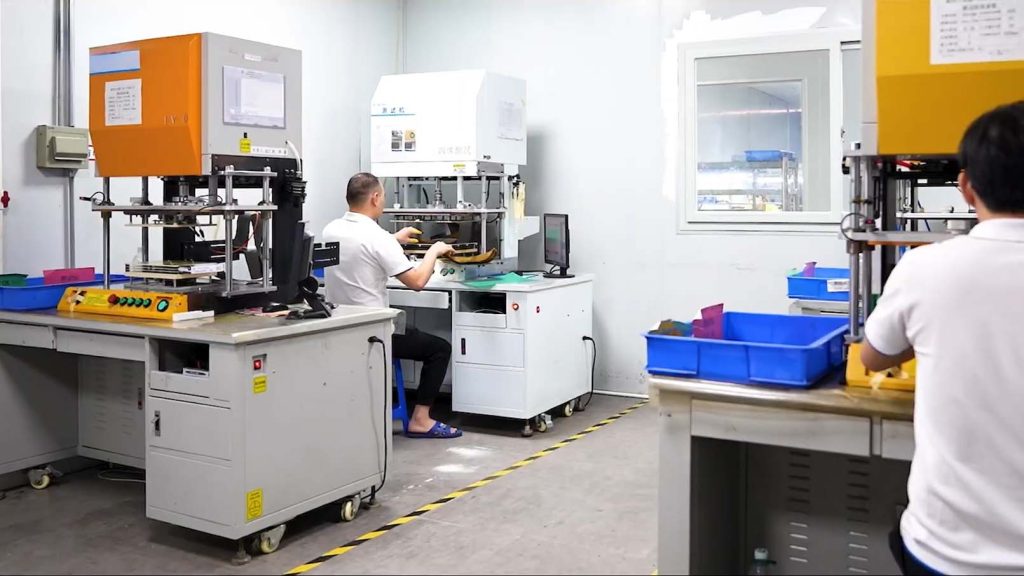
Reliable Manufacturing & Inspection Systems:Quality control is integrated throughout the manufacturing process to ensure stable thermal performance and product reliability.
Inspection Procedures:
- Incoming material inspection
- Resistance testing
- Thermal imaging analysis
- Insulation resistance testing
- Visual inspection
- Dimensional inspection
- Functional testing
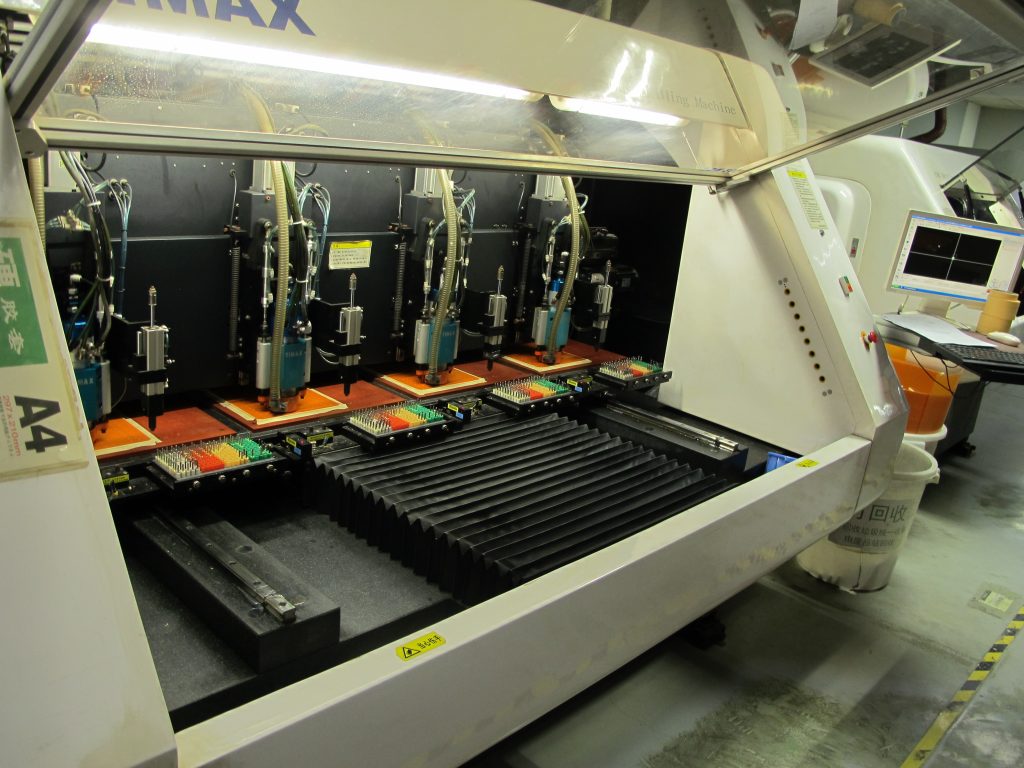
 E-test
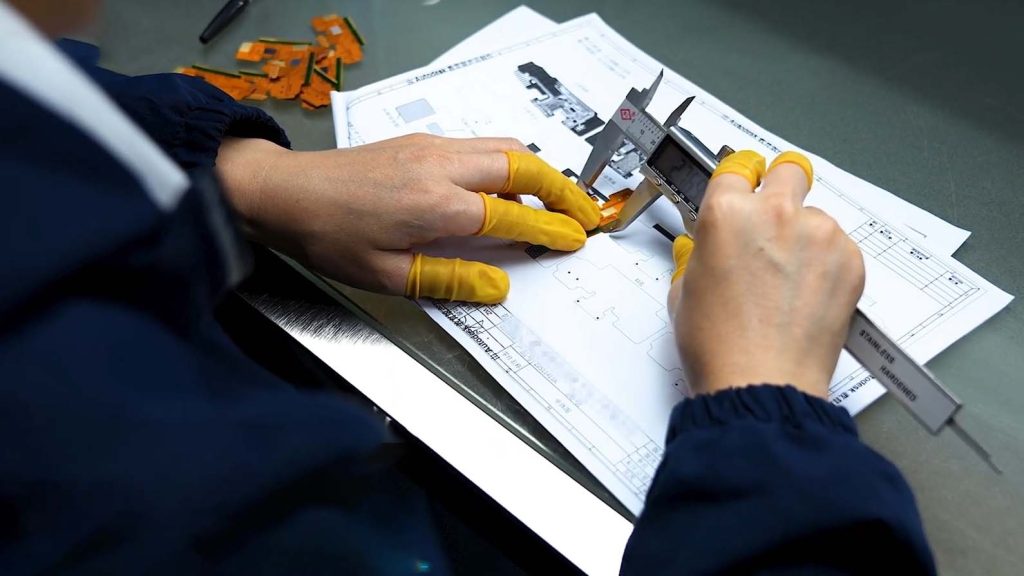 FAI measurement
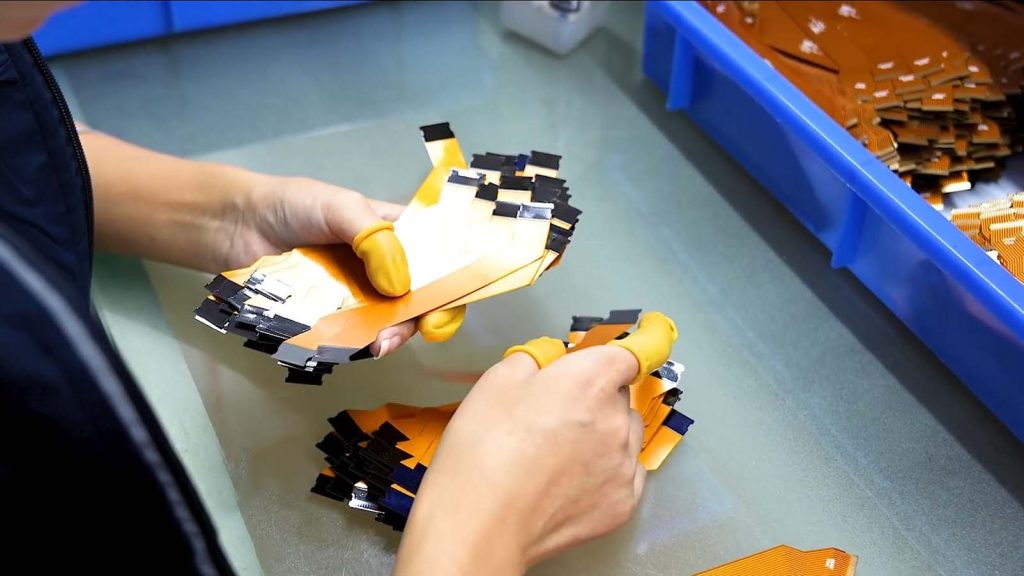 Final Inspection
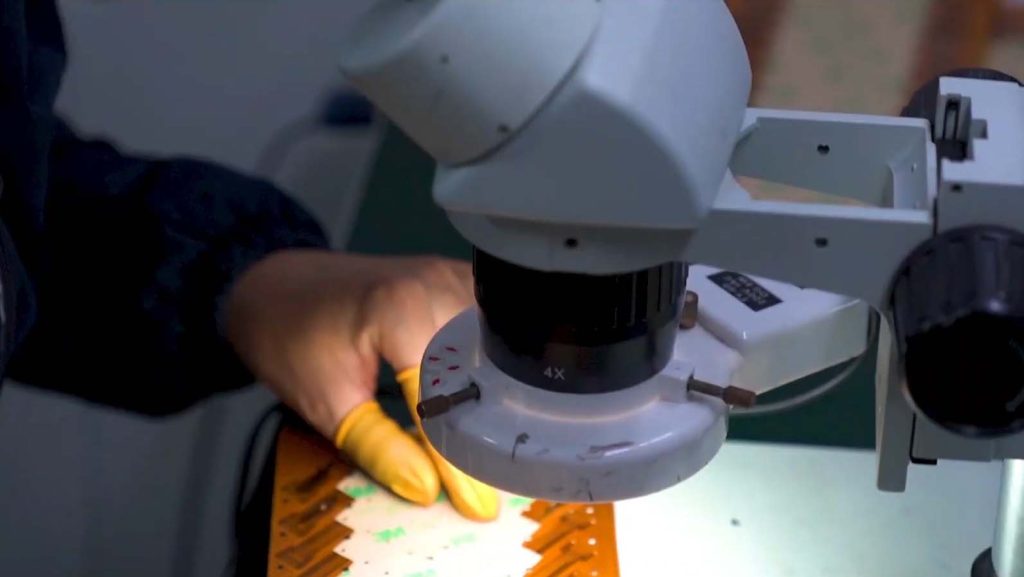 FQC
FQC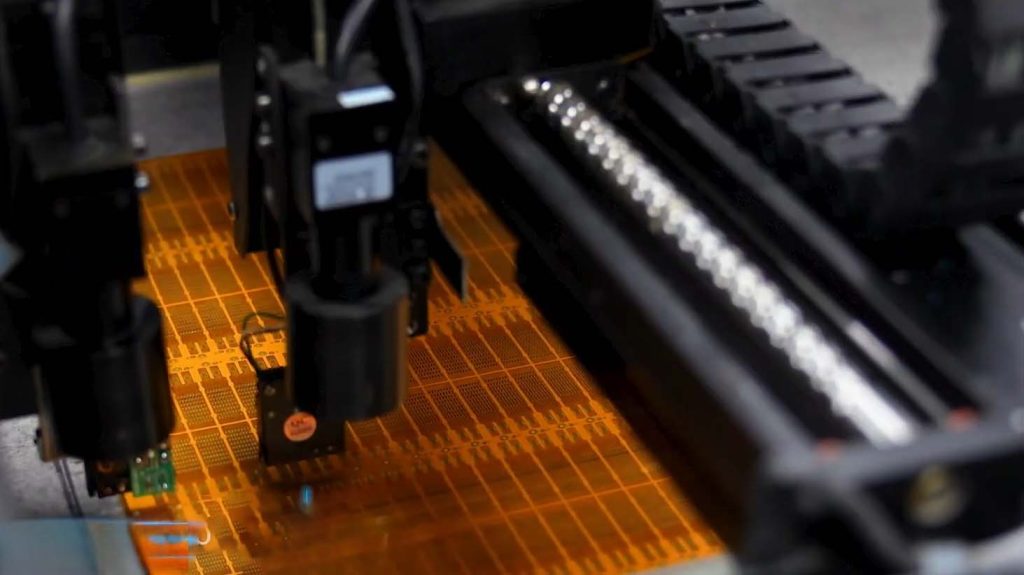 Flying probe testing
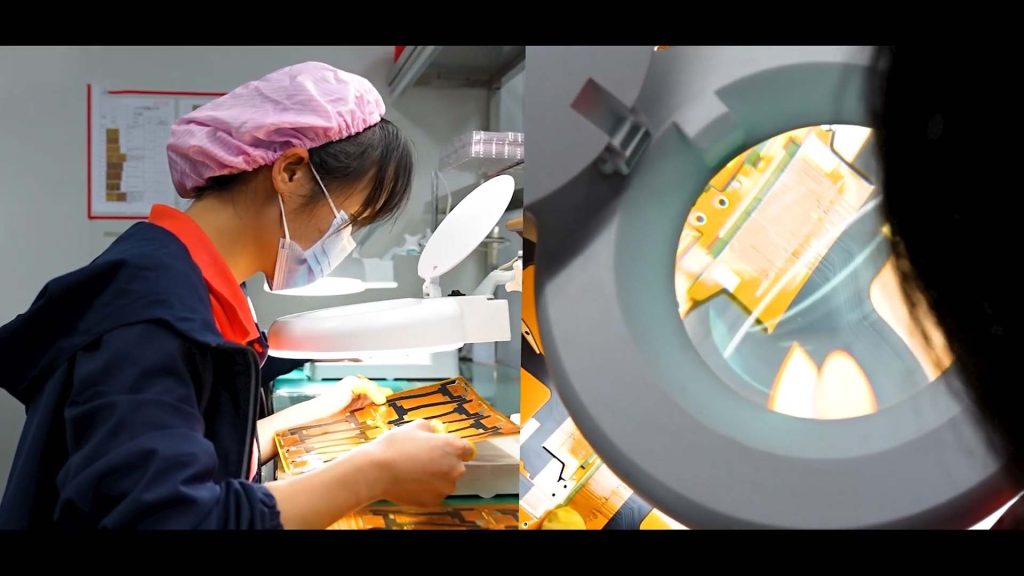 inspection
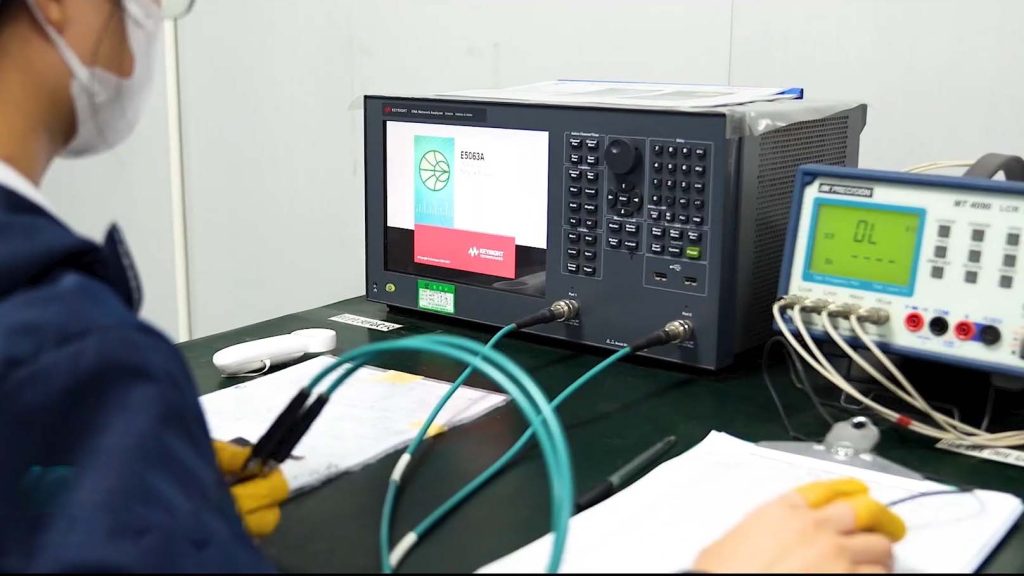 impendance testing
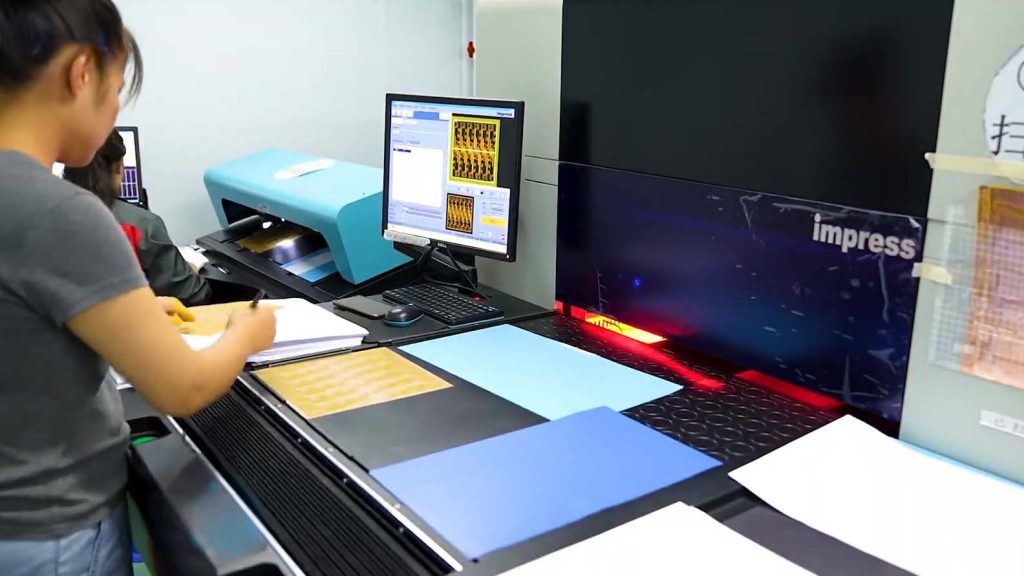 AOI inspection
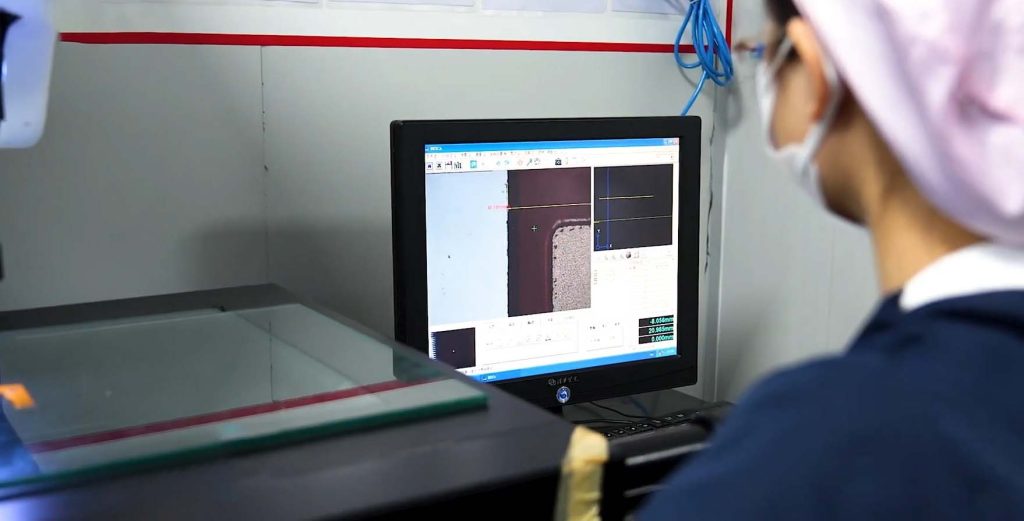 Two dimension testing
Why Choose Us
Engineering-Oriented Manufacturing Support:
Unlike standard catalog heater suppliers, we focus on engineering-driven custom manufacturing solutions designed around actual application requirements and thermal performance goals.
Flexible Production Capability
We support prototype development, low-volume production, and large-scale manufacturing projects with flexible production scheduling.
One-Stop Manufacturing Service
Our manufacturing capabilities include flexible heater production, wiring assembly, connector integration, testing, and final packaging support.
Stable Supply Chain Management
Reliable material sourcing and production planning help ensure stable quality and lead time consistency.
Global Project Support
We support international customers with engineering communication, manufacturing coordination, and export logistics experience.
FAQ
What is the difference between PI heater and silicone heater?
PI heaters are thinner and lighter, while silicone heaters provide better mechanical durability and higher environmental resistance.
Can you customize heater voltage and watt density?
Yes. We support custom electrical and thermal design according to application requirements.
Can thermistors or thermostats be integrated?
Yes. Various temperature sensing and protection components can be integrated into the heater assembly.
Do you support prototype manufacturing?
Yes. We support prototype development as well as mass production projects.
What files are required for quotation?
We recommend providing heater dimensions, voltage, wattage, operating temperature, and application environment information.
Looking for Custom Flexible Heater Solutions?
Contact our engineering team today for custom PI heater, PET heater, silicone heater, and graphene heating solutions.